


Inclined Screen Solid-Liquid Separator: Technical Overview for High-Efficiency Dewatering
Introduction
The inclined screen Solid-Liquid Separator is a specialized physical treatment system engineered for the efficient separation of solids from liquids in various industrial and agricultural applications. Designed with modular components and advanced dewatering mechanisms, this equipment offers a robust solution for reducing waste volume, lowering disposal costs, and enhancing downstream treatment processes.

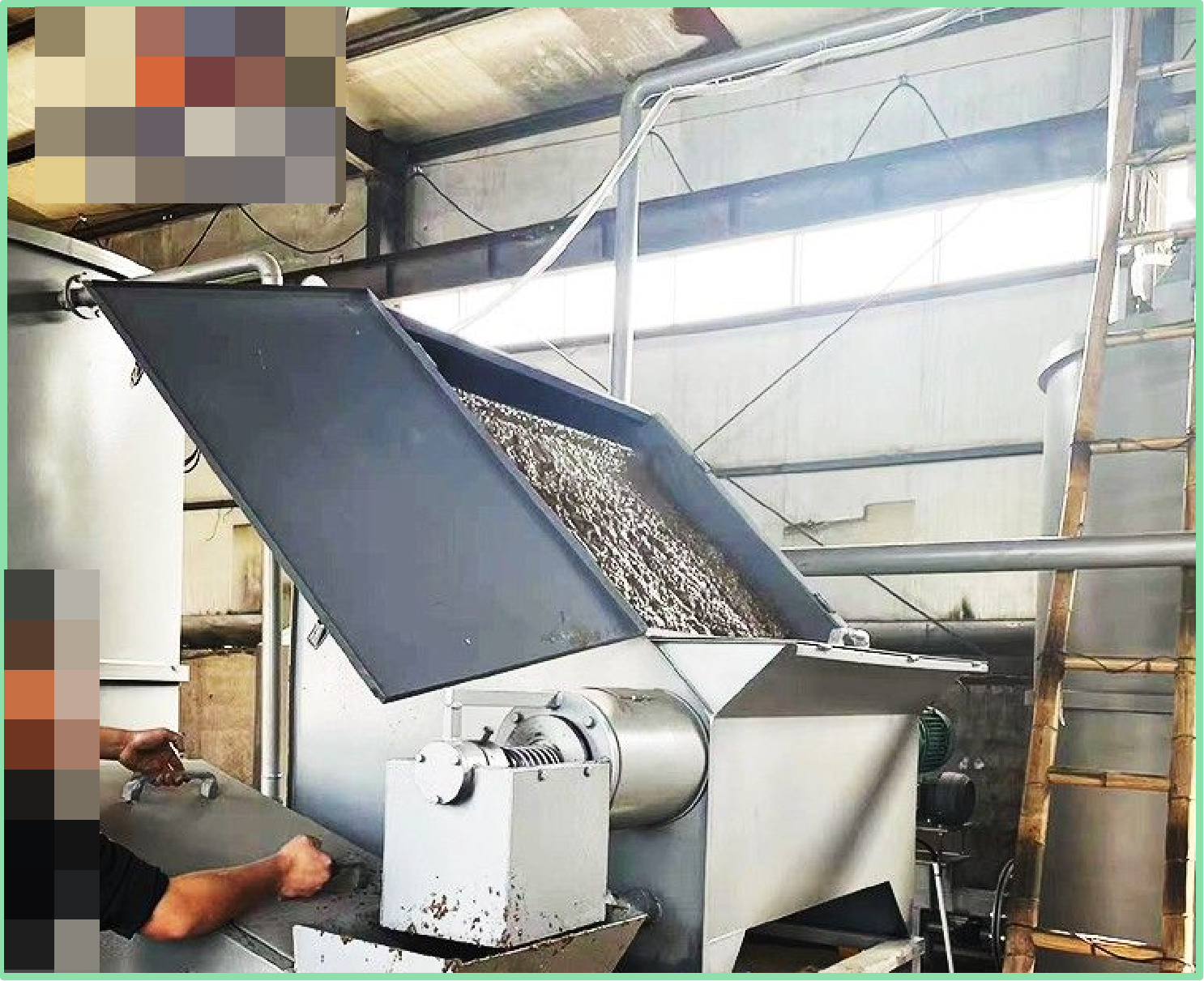
System Composition and Working Principle
The separator integrates several core components:
• Drive system – Provides stable power for the screw auger and optional vibration module.
• Feeding box – Ensures even distribution of influent across the screen surface.
• Inclined screen panel – Facilitates primary gravity-based separation.
• Screw auger and material retention baffle – Enable secondary extrusion dewatering.
• Water collection trough – Channels separated liquid for further use or treatment.
The process follows a four-step closed-loop sequence:
• Pumping – Muddy wastewater is fed into the inlet box.
• Gravity screening – Liquid and fine particles pass through the screen mesh, while solids are retained.
• Secondary dewatering – The screw shaft and baffle generate axial pressure to extract additional moisture.
• Discharge – Dewatered sludge is continuously expelled via the outlet.
This automated workflow requires minimal manual intervention, ensuring stable and repeatable performance.
Key Design Features
1. Screen Module
Manufactured from 304/316 Stainless Steel, the screen features a wedge-shaped slot design (narrower at the top, wider at the bottom) that prevents clogging while maintaining high-precision retention. Mesh apertures are customizable from 0.2 mm to 2.0 mm, and the screen inclination angle (typically 30°–50°) can be adjusted to optimize separation efficiency for specific materials.
2. Vibration Module (Optional)
A high-frequency, low-amplitude vibration system accelerates solid-liquid phase separation, reduces screen blinding, and increases throughput. Designed for quiet operation and durability in humid, corrosive environments, this module extends equipment service life.
3. Screw Extrusion System
The variable-pitch screw shaft (denser pitch at the feed end, wider at the discharge end) generates progressively increasing compressive force. Moisture content of the final solids can be finely tuned using adjustable retention mechanisms (e.g., counterweights, springs, or plastic baffles), accommodating diverse processing requirements.
4. Flushing/Self-Cleaning System
High-end models include an automatic backflush function that activates after shutdown, using high-pressure water jets to clear screen gaps. This minimizes manual cleaning and ensures long-term operational stability.
5. Drive and Control
The system supports automated program control with total power consumption ranging from 3 kW to 5.5 kW. Low energy use and reduced noise levels align with green production standards.
Technical Performance Parameters
| Parameter | Value/Range |
|---|---|
| Processing capacity (mainstream models) | 10–40 m³/h |
| Screen mesh size | 0.2–2.0 mm (customizable) |
| Suspended Solids removal rate | ≥90% |
| COD reduction rate | ≥60% |
| Operating power | 3–5.5 kW (non-powered models available) |
| Final sludge moisture content | 60–70% |
| Construction material | 304/316 stainless steel (corrosion-resistant) |
Application Scenarios
The equipment is recommended when:
• Sludge particles are smaller than the screen drainage gaps.
• Manually squeezed dewatered material does not slip through fingers.
Ideal For:
- Livestock Wastewater Treatment
• Cow manure dewatering: Rapidly removes majority of water, followed by reverse pressing for further moisture reduction.
• Pig manure dewatering: Flexible control of moisture content and output using adjustable pressure settings (with or without baffle).
- Industrial/Domestic Wastewater
• Removes coarse solids upstream, reducing pollutant load for subsequent flocculation or biological treatment.
• Ideal for high-solid-content sewage, ensuring stable feed conditions for downstream processes.
Conclusion
The inclined screen solid-liquid separator is a versatile, low-maintenance solution for reducing waste volume and improving liquid quality across multiple industries. Its modular design, customizable parameters, and low energy footprint make it a cost-effective choice for operations ranging from small-scale farms to large industrial facilities.